Hazmat Cleanup
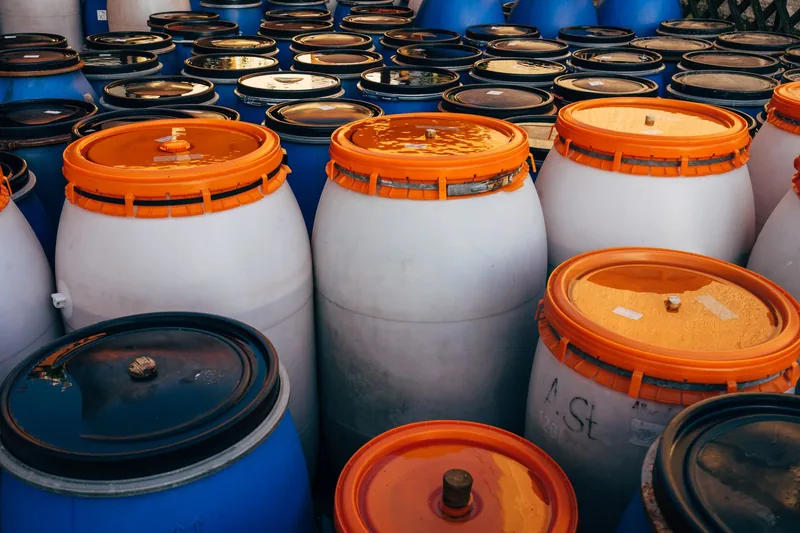
Hazmat cleanup uses the appropriate protective equipment for hazardous materials.
See hazmat cleanupGet tear gas and pepper spray residue removed from a home, apartment, rental, vehicle or business after the property is released. Cleanup can include surfaces, contents, filters, vents and affected porous materials.
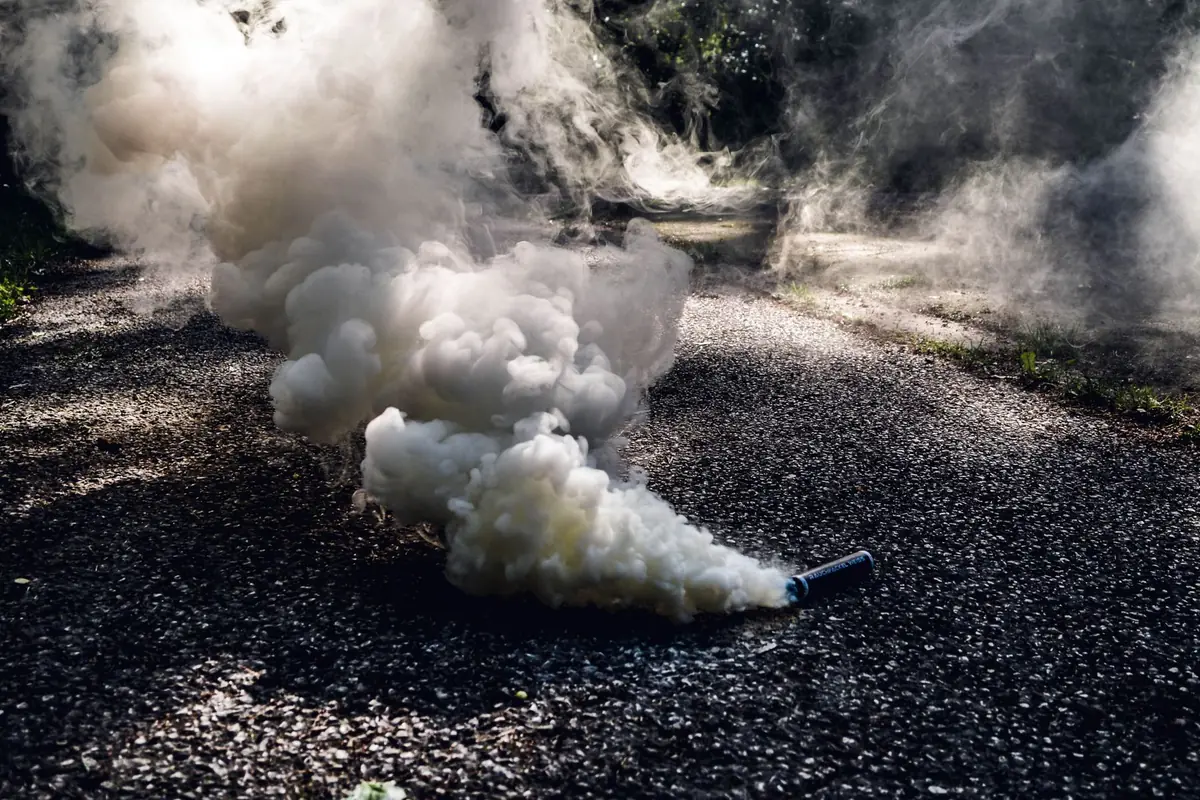
Tear gas cleanup means controlling and removing chemical irritants left inside a residence, rental property, business or vehicle by police activity, crowd control or pepper spray.
The visible smoke may clear while fine residue remains on walls, floors, counters, furniture and personal property. Pepper spray can also leave a film on nearby materials. Walking through the affected area, moving belongings or running the air system can carry residue into surrounding areas that did not receive the original release.
Professional work begins by locating everywhere the irritant traveled and learning which product was released when that detail can be obtained. Protective equipment is worn by trained technicians who isolate work zones and take up loose residue. Compatible materials are washed in an orderly progression and cleaned again if contamination remains. Planning extends to the ventilation system, filters, ducts, soft goods and difficult-to-wash belongings. If the scene contains bodily fluids or blood as well, biohazard remediation may be included in the work.

Calls receive an answer during the day or overnight, and crews use unmarked vehicles to respect your privacy following a difficult event.
Work zones and clean paths reduce transfer from the affected area into surrounding rooms while cleanup technicians move equipment and materials.
Sorting personal property based on its material and condition helps you understand which items can be cleaned, isolated or removed.
Before the cleaning process starts, the scope identifies every included room, surface, belonging and air-system component so you can compare the proposed work and decide with clearer information.
Tear gas removal is needed when irritant residue settles inside an occupied property or vehicle. Every situation needs a scope based on where the residue traveled. Common situations include:
Residue originating in one unit may enter a neighboring area, shared corridor or ventilation opening, requiring a defined cleaning scope.
Surfaces disturbed after incomplete cleaning may release odor or dust and cause eye irritation because some affected material was missed.
Controlled cleaning is needed before safe normal use can be considered for an office, store, public building or warehouse.
Irritant discharged in a car may coat trim, ventilation surfaces, seating, controls and carpet throughout the enclosed cabin.
Start by getting out of the affected area and limiting the movement of residue. Do not allow loved ones to enter. Explain the event to trained professionals, and complete these steps before the cleaning service arrives:
Call (888) 440-9227Published tear gas pricing guidance identifies $1,500 to $4,000 as the small apartment range, $3,000 to $10,000 as the single-family home range and $10,000 to $50,000 as the commercial property range. The source is crimescenecleanup.com. These figures are planning information, not a quote. Your scope depends on the property's size, materials reached, air-system contamination, time elapsed since the incident and required cleaning rounds.
Published national cost guides are the source for these ranges, rather than an inspection of your property. After an on-site assessment, the price for your property is determined and shared with you before cleanup begins.
Ask about cost: (888) 440-9227Coverage for tear gas cleanup may be available through insurance. It depends on the cause, policy language and any exclusions. Report the loss, and request that the insurance company decide coverage using your particular claim.
If the release followed a qualifying crime, ask whether cleanup assistance applies. The Maryland Criminal Injuries Compensation Board, part of the Governor's Office of Crime Prevention and Policy, lists crime scene cleanup among eligible expenses for crime victims. Insurance is usually checked first.
Organize the police release, incident number, photographs, cleanup plan, materials list, receipts and disposal documentation together. Your record may support insurance assistance so you can move forward on the claim.
Assessment and cleanup at a rental are usually arranged by its manager or owner. Responsibility for the bill can depend on the lease, policy language and circumstances.
While the affected area stays closed, ask whether policy coverage includes temporary housing, chemical residue cleanup, air-system work, personal property and damaged building materials.
A controlled remediation sequence starts with property release and continues through the last inspection. At each stage, tear gas cleaning choices depend on air movement within the building, the affected materials and the rooms that were reached.
Cleanup technicians examine the affected area and release point along with residue pathways, exposed contents, HVAC design and incident damage.
The scope lists rooms to isolate, surfaces to clean, contents to move, filters to address and materials that may need removal.
Barriers distinguish the cleaning zones from clean areas, and technicians choose protective clothing, breathing protection, gloves and eye protection for the conditions.
Controlled collection techniques reduce airborne dust while removing loose residue. Technicians begin on upper surfaces, move down to flooring and work from cleaner boundaries into the release zone.
Detailed wet-cleaning methods are applied to suitable fixtures, cabinets, flooring, walls and ceilings. Cleaning rounds continue where visible film or irritation remains.
Hard surfaces and washable contents are treated according to their finish so residue is removed without spreading it or causing avoidable material damage.
Operation of the air system during or after release calls for checking its accessible surfaces, filters, returns and supply vents.
Technicians inspect connected spaces, cleaned contents and rooms for any missed deposits, odor that remains or areas needing repeat cleaning.

Phone any hour. A specialist in tear gas and pepper spray cleanup takes your call, explains each step and agrees on a start time with you.
Disturbed tear gas or pepper spray deposits can cause renewed irritation to your breathing passages, skin and eyes. A medical professional should address any questions you have about serious health risks.
An unknown irritant cannot be neutralized safely by mixing chemicals found at home. Because chemical mixing may create another danger or damage materials, the method must be compatible with both residue and surface.
An operating HVAC system, open doorways and foot traffic can carry residue past the room of release. The check should account for adjacent pathways and return-air openings.
The air may look clear while fine particles still sit on hidden ledges, shelves, trim and flooring. Using a regular vacuum or a dry broom can send settled particles back into the air.
Can you clean it yourself? A short exposure outside differs from a release within a building. Treating indoor tear gas deposits like household dust or hiding them with scent is unsafe. Close off the space, skip DIY tests and request a scope addressing contents, surfaces and the air system.
The cleanup of tear gas can require one visit or more, and only an assessment at the property can establish a responsible schedule. A small hard-surface incident tends to be simpler than air-system contamination or residue involving porous items and several rooms. Restoration services can follow when the work requires removal of carpet, drywall or additional building materials.
| Scene | Typical time on site |
|---|---|
| Limited release on hard surfaces | When residue is limited to one location, cleaning might be finished during a targeted visit |
| Home with contents or HVAC involvement | Time is needed for containment, detailed cleaning and multiple passes |
| Large commercial or multi-room property | Cleaning can proceed room by room, allowing each space to be inspected before use resumes |
Removing residue is the starting point for odor control. A coat of paint, added fragrance or brief ventilation might conceal the smell while irritant particles remain on fabrics, shelving, walls and other affected locations. Even when little odor is noticeable, you cannot assume the space is ready to occupy.
Air quality measures need to track every route taken by the contamination. Work may involve controlled ventilation, changing affected filters, addressing dust on reachable parts of the air system and cleaning near supply vents and returns. HEPA air cleaning may assist this effort, but contaminated materials still require removal and surfaces still need cleaning.
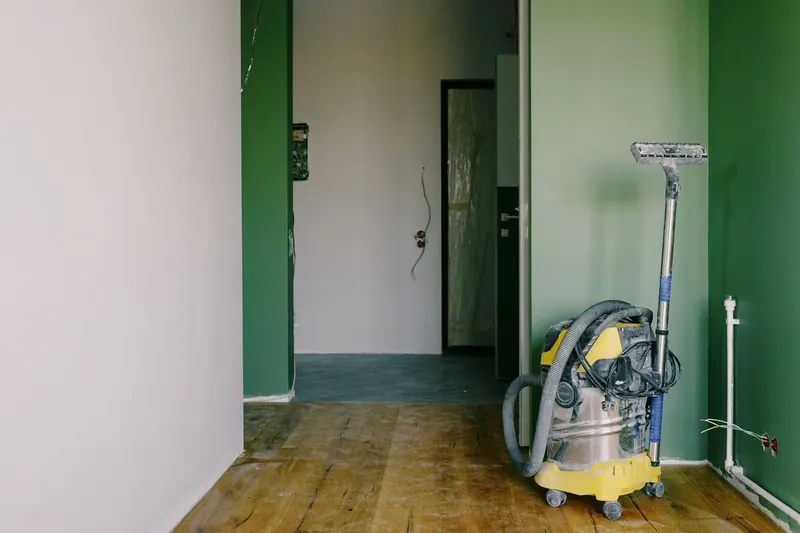
Law enforcement manages property access during an active incident and throughout evidence collection. Wait for release before entering, moving property or starting cleaning.
Available canister labels, product details and safety information help identify the irritant and choose methods compatible with each surface. Do not touch a device to read it.
Both the residue and affected material determine how the waste is classified. Whether removed items count as hazardous waste, and which waste disposal route applies, depends on local regulations. (Maryland calls this special medical waste, which can include blood-soiled articles. Maryland Department of the Environment rules control how it is handled, transported and treated, so it cannot go in household trash.)
If cleanup also includes blood or bodily fluids, federal OSHA Bloodborne Pathogens Standard 29 CFR 1910.1030 sets worker protection, training and handling requirements.
The full tear gas and pepper spray cleanup guide covers what is cleaned or removed, odor and air quality work, and the rules that apply in Maryland and Baltimore City.
Read the full tear gas and pepper spray cleanup guide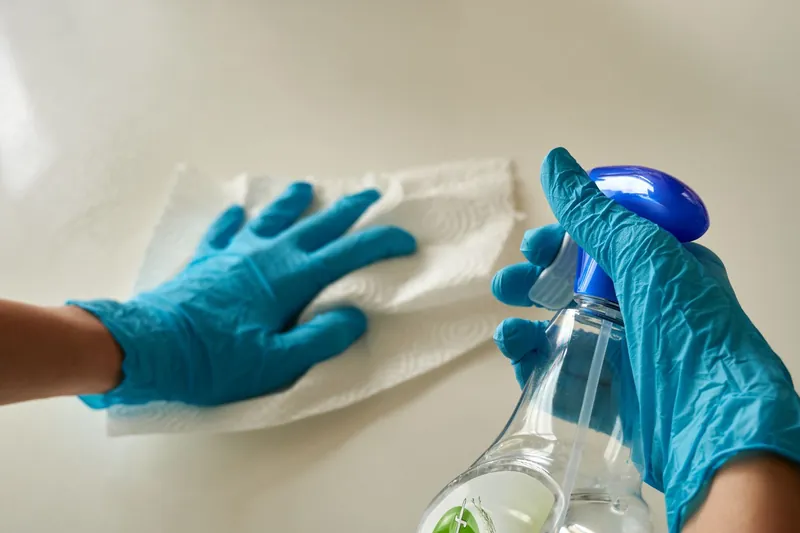
Local housing, population and access details can shape containment, access and cleanup planning.
At roughly 1.1 miles away, The Johns Hopkins Hospital is the closest listed hospital for urgent care after a cut, puncture, or exposure.
Connections to Biddle Street, Four by Four, and Broadway East make a precise address important for coordinating cleanup access without unnecessary neighborhood attention.
Because this is a neighborhood within Baltimore, cleanup access may depend on local parking, common entrances, or building management rules.
You can ask about cleanup in nearby communities and ZIP codes during the call.
Hazmat cleanup uses the appropriate protective equipment for hazardous materials.
See hazmat cleanup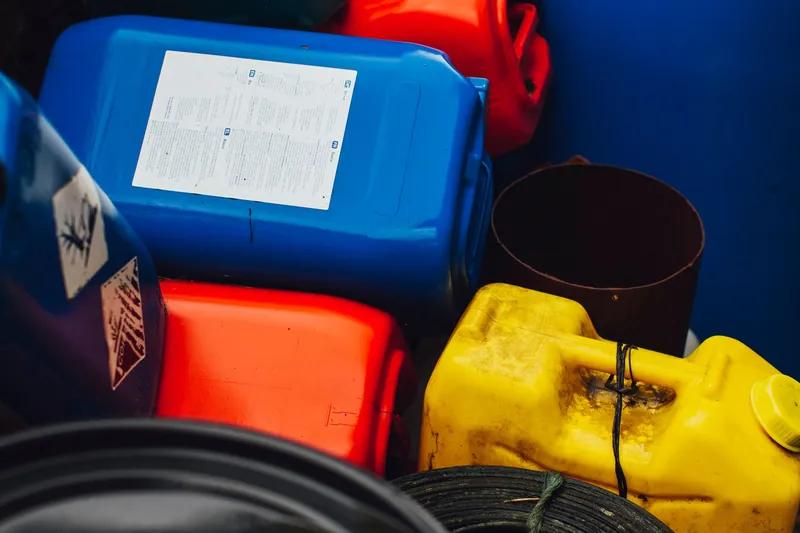
Safe disposal is included with chemical and toxic waste cleanup.
See chemical and toxic waste cleanup
Crime scene cleaning after police release the property, from blood to odor.
See crime scene cleanup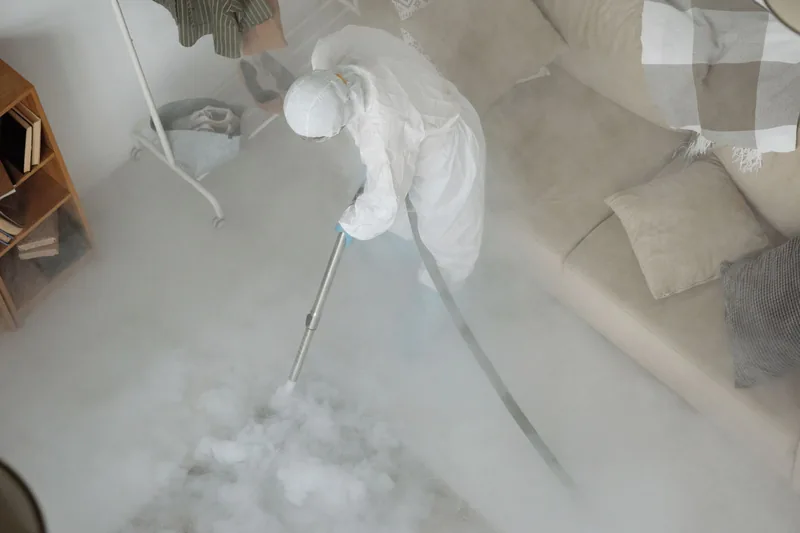
Complete decontamination treats the room, its surfaces and the air after a hazardous or infectious exposure.
See biohazard decontamination
Commercial and industrial sites receive biohazard cleanup arranged around operating needs and site access.
See commercial and industrial biohazard cleanup
Rental property biohazard cleanup covers hotels and Airbnb units as well as rentals.
See hotel, airbnb and rental biohazard cleanup
Biohazard cleanup covers vehicles including cars, trucks, recreational vehicles and boats.
See vehicle biohazard cleanup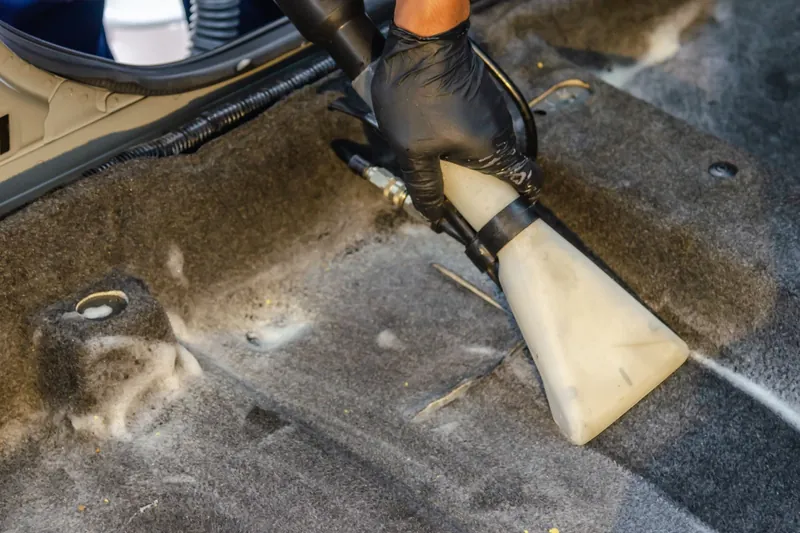
Biohazard carpet and upholstery cleaning, or safe removal when needed.
See biohazard carpet and upholstery cleaningBoth call for exposure control and detailed residue removal, but the products and carriers can differ. Each method must be compatible with the residue as well as the surface. Pepper spray may coat surrounding finishes and fabric, but tear gas dispersed through a building can spread fine deposits across a larger area.
An indoor discharge on a property differs from minor exposure in open air. Moving fabric items and using ordinary brooms or vacuums can spread particles during DIY work. A building cleanup can include the air system, contents, wall and ceiling surfaces, along with items that are not washable. A professional assessment gives you a defined affected area and cleaning process before work starts.
Coverage depends on your policy, what caused the release and any exclusions that apply. Ask the insurance company about personal property, work on the air system, chemical residue cleaning, temporary housing and building materials when you report the incident. Your insurance company may need the police release, pictures, cleanup scope, receipts and disposal paperwork, so retain them.
No one home-made mixture can safely neutralize all tear gas products across every kind of material. Never blend cleaners together, and do not cover the floor with powders. Professional cleanup identifies the affected surfaces, removes loose residue, wet-cleans compatible materials, addresses soft contents and checks the HVAC path. A single cleaning pass is not always sufficient.
Yes. Operation of heating, ventilation or cooling equipment during or after the incident can draw in residue. The assessment should consider filters, return openings, supply vents and connected rooms. Treating the air by itself is insufficient. You still need source removal or cleaning for contaminated materials and residue deposited on surfaces.
Leave the affected area and move to fresh air. Prevent pets and children from entering, leave every canister untouched and obey directions from emergency responders. Call 911 when you face severe breathing problems or another medical emergency. If law enforcement has secured the site, await official release prior to moving items or scheduling tear gas cleanup.
You can request respectful, discreet tear gas and pepper spray cleanup 24 hours a day, and crews use unmarked vehicles.